Replace missing teeth with Dental Bridges in Orange City, FL, at Revive Dentistry. Custom-made bridges fill gaps in your smile, restore chewing function, and help maintain proper tooth alignment for a complete, confident smile.
Missing even one tooth can change more than your smile. It can shift how you chew, how your remaining teeth wear over time, and how confident you feel speaking or laughing in front of others. At Revive Dentistry, we see patients every week who put off replacing a missing tooth because they weren’t sure what their options were or worried the process would be complicated.
We built our practice around walking patients through exactly what is happening in their mouths and what their choices look like, and dental bridges are one of the most reliable ways we help people restore a complete, functional smile. Below, we break down how bridges work, who tends to benefit from them, and what you can expect when you visit our Orange City office.
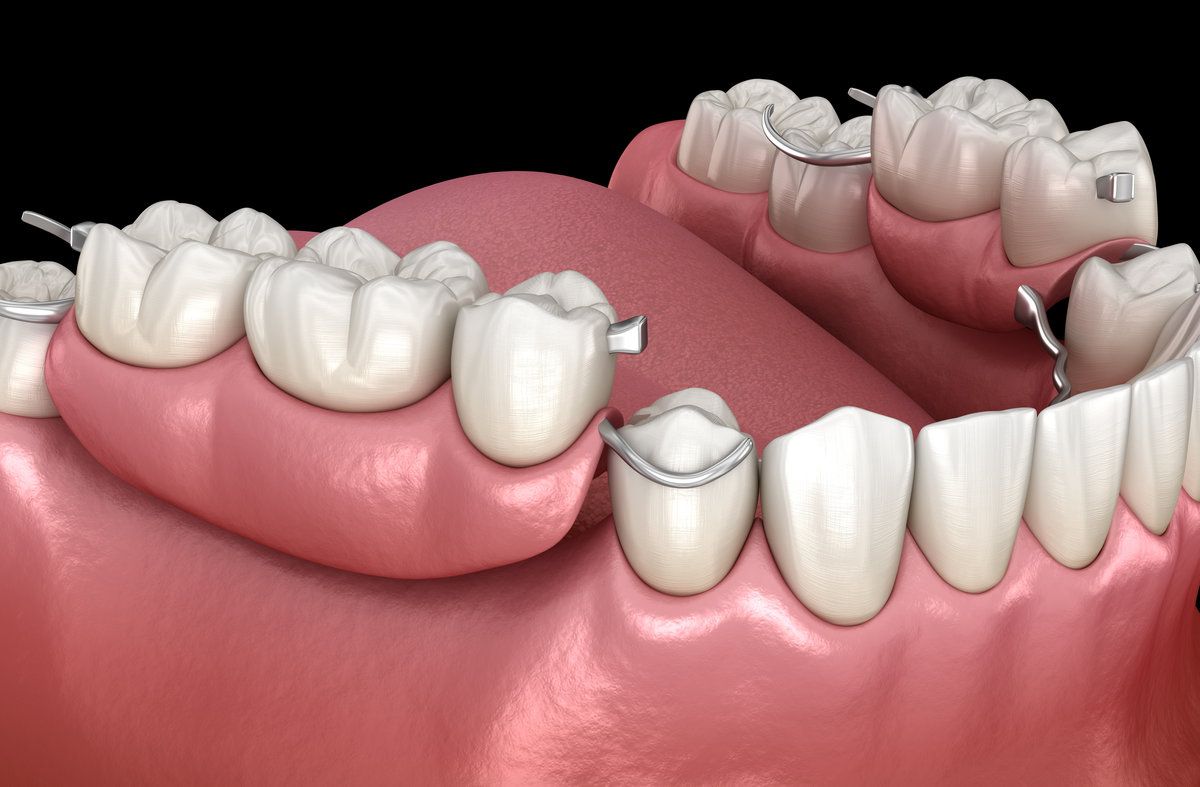
A dental bridge is a fixed restoration that fills the gap left by one or more missing teeth. It gets its name because it literally bridges that space, using an artificial tooth called a pontic that is anchored in place by the teeth or implants on either side. Unlike a removable partial denture, a bridge stays fixed in your mouth, so you brush and eat with it just as you would with natural teeth.
Most traditional bridges rely on the two teeth next to the gap, called abutment teeth. We shape those teeth slightly and cap them with crowns, and the pontic sits between them, supported on both sides. This design has been used successfully for decades because it distributes chewing force across multiple teeth rather than relying on just one point of support.
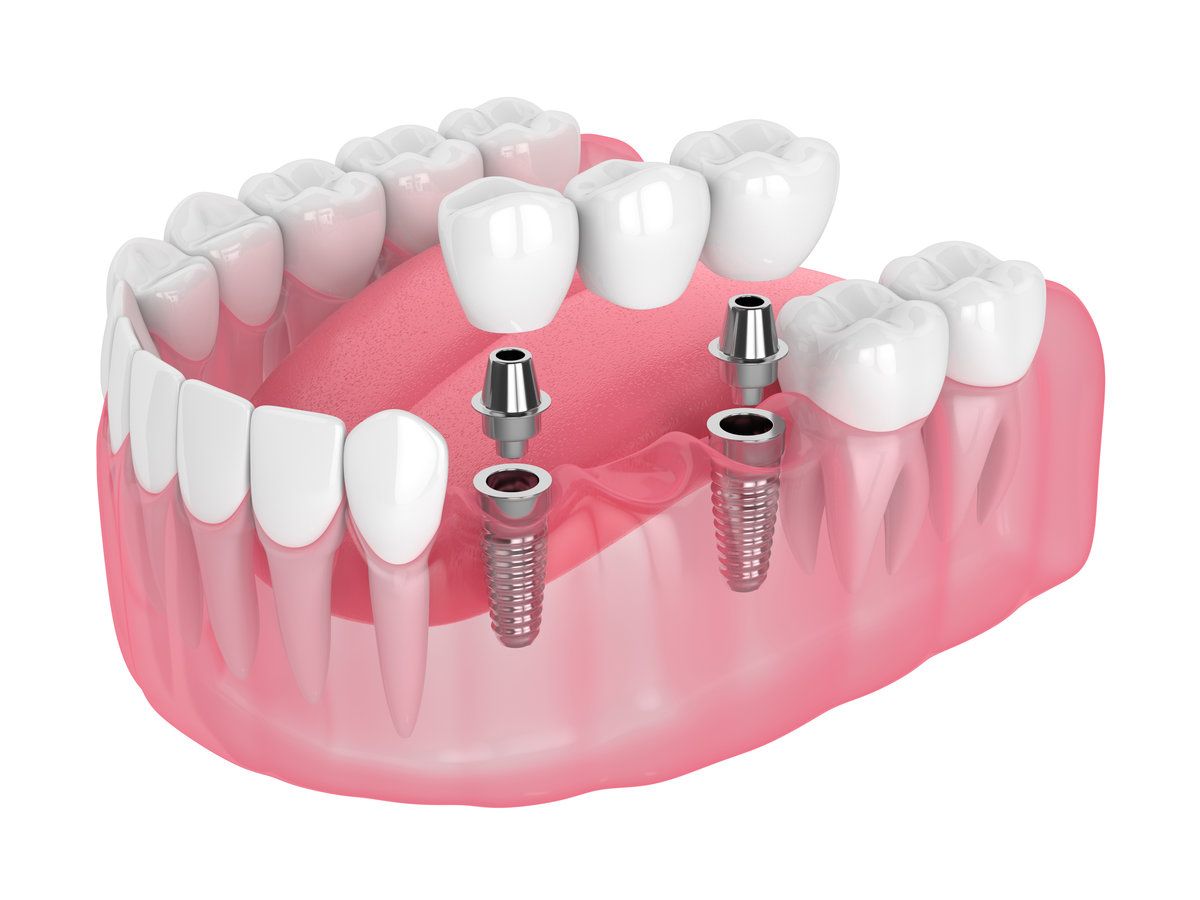
Implant-supported bridges work a bit differently. Instead of using your natural teeth for support, we anchor the bridge to one or more dental implants placed in the jawbone. This approach can be a great fit if you are missing several teeth in a row and want to avoid altering healthy adjacent teeth. We often discuss this option alongside dental implants during a consultation, because the right choice depends on your bone density, the number of teeth involved, and your long-term goals.
It is easy to think of a missing tooth as a cosmetic issue, but the effects go well beyond appearance. When a gap is left untreated, the surrounding teeth can gradually shift or tilt into the empty space, which throws off your bite and can lead to uneven wear, jaw discomfort, and a higher risk of decay in teeth that move out of proper alignment.
There is also a broader public health pattern here. According to the Centers for Disease Control and Prevention’s 2024 Oral Health Surveillance Report, which analyzes national data on tooth retention and complete tooth loss among adults, replacing missing teeth and maintaining the remaining natural teeth are closely tied to long-term oral health outcomes. We think of this data as one more reason to treat a missing tooth as something worth addressing sooner rather than later, not something to put off for years.
The longer a gap sits untreated, the more your bite pattern can change, and the more complex treatment may eventually become. Bone in the area of the missing tooth can also begin to resorb over time because it is no longer being stimulated by a tooth root, which is part of why we like to talk through your options with you as soon as a tooth is lost or extracted, rather than waiting until problems compound.
Getting a traditional bridge typically takes two main visits. At the first appointment, we prepare the abutment teeth, take detailed impressions or digital scans, and fit you with a temporary bridge so you are never left without teeth in that space. We send your impressions to a dental lab, where your permanent bridge is custom crafted to match the shape, size, and shade of your natural teeth.
At your second visit, we remove the temporary bridge, check the fit and bite of the permanent restoration, and make any small adjustments before cementing it into place. We take our time here, because a bridge that is even slightly off can feel uncomfortable or wear unevenly. If you choose an implant-supported bridge, the timeline is a bit longer because the implants need time to fuse with the jawbone before the bridge is attached, but the result is a remarkably stable, long-lasting restoration.
Before we recommend any restorative treatment, we like to make sure the foundation of your oral health is solid. If you have any active gum disease or untreated decay, we typically address that first so your new bridge has a healthy, stable environment to sit in for years to come.
A well-made bridge can last many years with the right care, and the habits that protect it are largely the same ones that protect your natural teeth. Daily brushing and flossing remain essential, though flossing around a bridge does require a slightly different technique because the pontic is attached rather than sitting between two independent teeth.
We recommend a floss threader or a water flosser to clean underneath the pontic, along with routine checkups so we can monitor the health of the abutment teeth and the surrounding gum tissue. Because those abutment teeth are doing extra work supporting the bridge, keeping them healthy and free of decay is one of the best things you can do to protect your investment.
We also encourage patients on one of our membership plans to keep up with regular cleanings, because consistent maintenance is often what separates a bridge that lasts five years from one that lasts fifteen.

Dr. Omid Khezri is the founder of Revive Dentistry and earned his Doctor of Dental Surgery degree from Indiana University School of Dentistry in 2016. He holds a Fellowship credential (500+ post-doctoral continuing education hours) and a Mastership through the Academy of Implant Prosthetics, which covers both the surgical and prosthetic phases of implant care. Before dentistry he taught high school for two years, and he brings that same explain-everything approach to every consultation.
Revive Dentistry works with Cigna and most major PPO plans, and our team can help you understand your benefits before treatment begins. Coverage varies by plan and by procedure, so we also offer an in-house membership plan and third-party financing, including 0% interest plans through Cherry and CareCredit.
Learn MoreRevive Dentistry offers a full range of dental care for the whole family. Explore our services to see how we can support your oral health and your smile.
We're located at 272 E Graves Ave in Orange City, FL, and welcome patients from Orange City, DeBary, DeLand, Deltona and the surrounding West Volusia County area. Stop by or schedule online and we'll walk you through your options with no pressure.
Dr. Omid Khezri has built his practice on an educational, whole-person approach to dentistry. Before recommending a bridge or any other restorative option, he takes the time to explain what he sees on your X-rays and walk you through why a particular treatment makes sense for your specific situation. He has completed the requirements for a Fellowship, an achievement held by only 6 percent of dentists nationally, and has gone on to earn his Mastership, placing him in the top 1 percent of the profession.
We also offer several ways to make treatment more manageable, including flexible financing options for patients who want to spread out the cost of a bridge or other restorative work. If you have been putting off replacing a missing tooth, we would love the chance to sit down with you, review your X-rays together, and talk through what your options actually look like. Reach out to our Orange City office to schedule a consultation and take the next step toward a complete, comfortable smile.