Dental Implant Success Rates and Gum Disease Statistics

We provide a full range of dental services designed to protect your oral health, enhance your smile, and keep you comfortable every step of the way. Whether you speak English or Spanish, need a routine checkup or advanced treatment, you’re in caring, capable hands.

Gum disease is more common than most adults realize, and it plays a bigger part in tooth loss than many people expect. If you are thinking about dental implants, the health of your gums may shape how long your results last, so the numbers behind gum disease and implant success deserve a close look.

We are proud to serve patients in Orange City at Revive Dentistry, and we share these statistics so you can weigh your options with clear, sourced facts. Our foundations-first approach means gum and bone health come before major procedures, and the research below helps explain why that order matters.

Dr. Omid Khezri

How Common Is Gum Disease in Adults?

According to the Centers for Disease Control and Prevention, about 42% of adults ages 30 and older, or more than 4 in 10, have periodontitis, the serious form of gum disease that involves bone loss around the teeth. Roughly 8% of adults have the severe form. These figures rest on national survey data collected from 2009 to 2014, so they describe adults across the country rather than one community.

The CDC also identifies periodontitis as a leading cause of tooth loss, and it notes that tooth loss can lead to a poor diet, difficulty speaking, and a lower quality of life. Poor oral hygiene, diabetes, and smoking are all associated with serious gum disease.

The earliest stage is gingivitis, which causes red, swollen, or easily bleeding gums. The CDC says gingivitis is preventable and reversible with good oral hygiene and professional treatment, while periodontitis can be managed and slowed with professional treatment.

A dental check-up at least once a year allows early detection, and regular preventive dentistry visits give your dentist the chance to track changes in your gums over time. Keep in mind that statistics describe groups of people, so your own risk depends on your health history, your habits, and the condition of your gums.

Why Gum Health Comes Before Major Procedures

Dr. Omid Khezri does not begin major procedures until a patient’s gum health is solid. He also teaches patients to read their own X-rays, so the reasons behind each recommendation are clear before treatment starts. Our whole-person approach looks at overall health as well, because conditions such as diabetes are associated with serious gum disease.

Our oral surgery and restorative dentistry services follow that same order. Our 3D imaging and CT scanning help us evaluate the bone and tissue that support your teeth before care is planned.

Consultation. Portrait of beautiful lady sitting in dental chair while stomatologist in sterile gloves holding false teeth and toothbrush

Dental Implant Success Rates and Gum Disease History

A 2024 meta-analysis in Clinical Oral Investigations gathered long-term data on implants followed for 20 years. In three prospective studies, about 92% of implants were still in place, and in five retrospective studies the figure was 88%.

After adjusting for patients who stopped attending follow-up visits, the prospective figure fell to 78%, and the authors summarize the evidence as roughly 4 out of 5 implants surviving 20 years. For context, they cite research showing survival of about 60% to 78% for total hip replacements at 20 years and 82% for total knee replacements at 25 years. The authors add that implant failures have many causes, so no single factor tells the whole story.

The authors stress that follow-up care should continue well past the first 10 years. They note that periodontitis, diabetes, and osteoporosis should not necessarily rule out implants when adequately treated, and they strongly recommend that patients quit smoking to lower the risk of complications. They also say implants should replace teeth that are truly lost rather than natural teeth that could be saved.

If you are weighing dental implants, these numbers show that long-term care deserves as much attention as the procedure itself. A second 2024 review in Dentistry Journal asked how a history of gum disease changes those odds, and its findings follow.

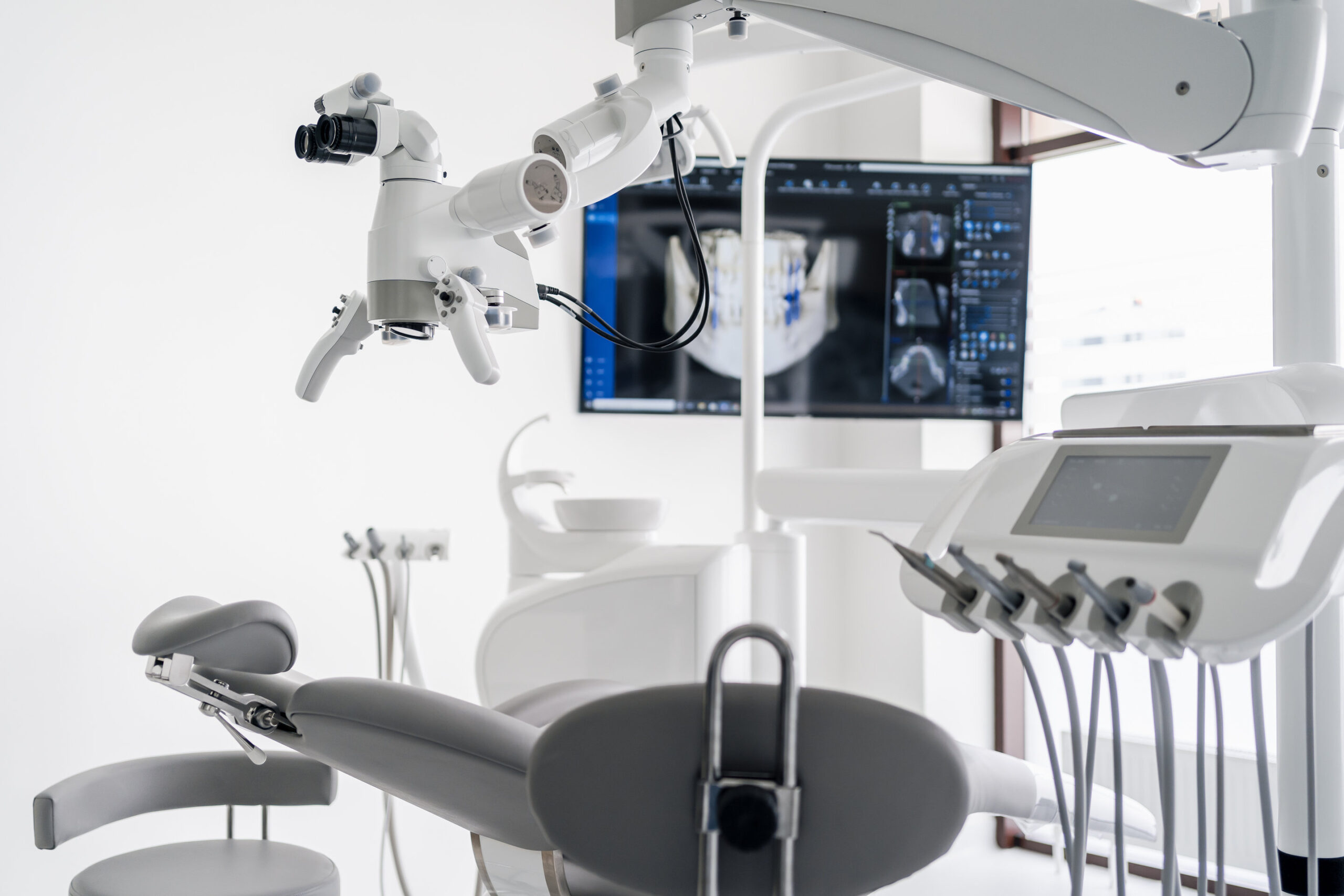
Interior of dental practice room with chair, lamp, dental scan on the display and stomatological tools

Higher Odds of Peri-Implantitis

Peri-implantitis is inflammation that damages the tissue and bone around an implant. Across studies that followed patients for 8 to 16 years, those with a history of periodontitis, even after periodontal treatment, had about 4.8 times higher odds of developing it than patients with healthy gums.

Lower Odds of Implant Survival

Patients with healthy gums also had about 1.7 times the odds of keeping their implants compared with patients who had a history of periodontitis. Every patient with gum disease in these studies had received periodontal treatment before implant surgery, and the authors conclude that implants remain possible when gum disease is well controlled, although the risk stays higher.

Schedule a Consultation at Revive Dentistry

Revive Dentistry is led by Dr. Omid Khezri, a graduate of Indiana University School of Dentistry who has completed a Fellowship, a credential held by about 6% of dentists nationally, and has earned his Mastership. Our team welcomes new patients from Orange City and across West Volusia County, including DeLand, DeBary, and Deltona.

If you have questions about gum health, tooth loss, or paying for care through our financing options, we would be glad to talk through your situation, walk you through your X-rays, and answer your questions. You can reach our team through our contact form.

Ready to Love Your Smile?

Schedule your appointment today and experience personalized dental care that puts your comfort first. Healthy teeth. Confident you.

Smiling pretty blonde young woman wearing casual clothes relaxing on a couch at home