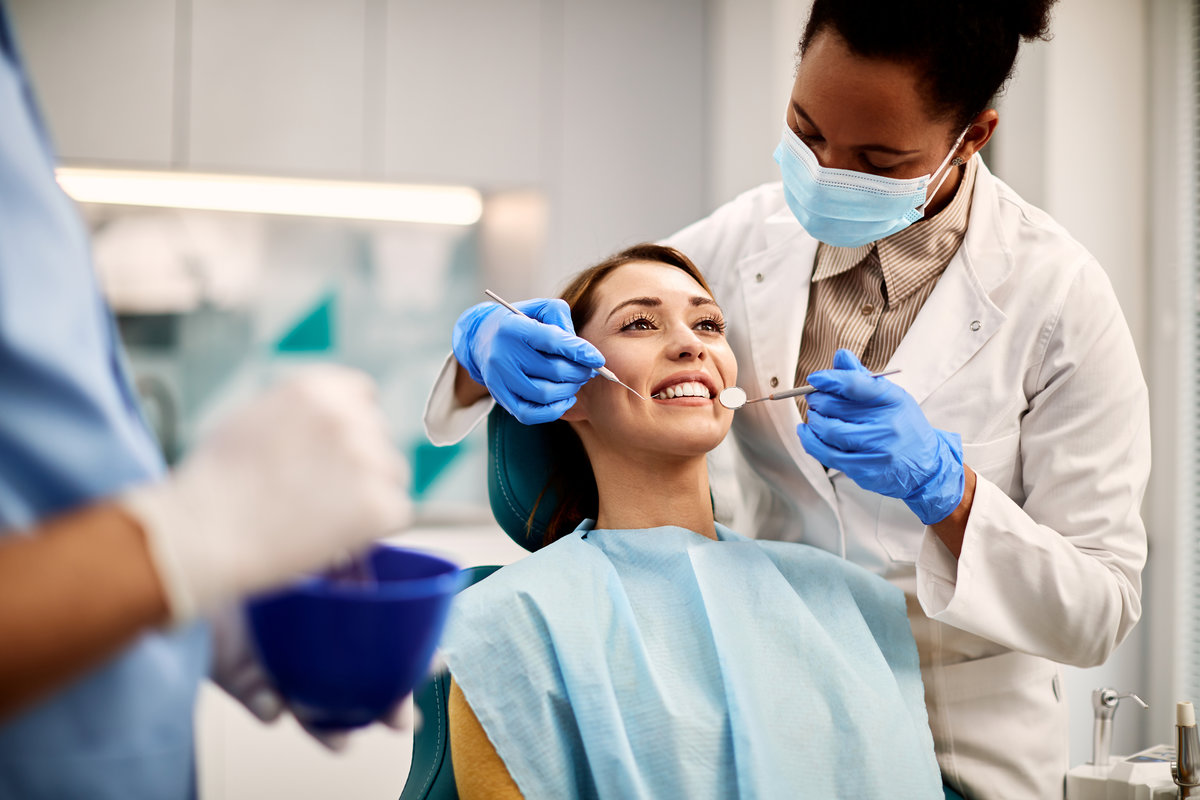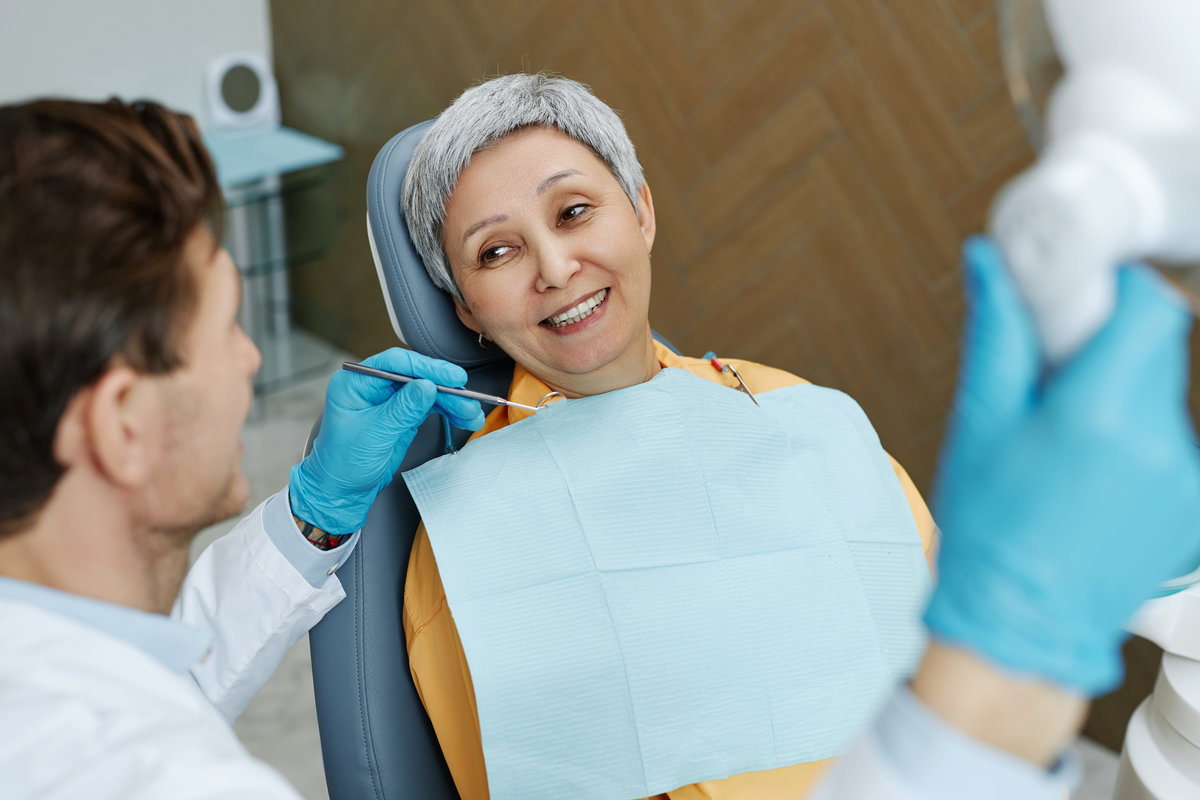
Somewhere between a missing tooth and a decision you keep putting off sits a simple question: would a dental implant actually work for you? For many people, that question lingers for years, shaped more by rumor and worry than by an actual look inside their own mouth.
At Revive Dentistry, we believe that answer should come from a real conversation, not a guess. Dr. Omid Khezri and our team start every implant consultation the same way: by looking at the foundation first, the gum health and bone that will ultimately support the implant, before talking about anything else.
What We Actually Look For to Determine Candidacy
Good implant candidacy is not about age or how long a tooth has been missing. It comes down to a handful of specific, checkable factors. We assess the density and volume of the jawbone where the implant will sit, because the bone needs enough structure to hold an implant securely in place. We also assess the health of the surrounding gum tissue, because periodontal disease is one of the most common reasons implants fail to integrate properly.
This is part of why we treat gum health as the foundation of almost everything we do. Research from the National Institute of Dental and Craniofacial Research shows that adults with a history of gum disease and other risk factors are more likely to experience tooth loss in the first place, which is exactly why we will not move forward with implants until the gum tissue around the site is calm and stable.
Bone Health And Grafting Options
If a tooth has been missing for a while, the jawbone in that area can shrink from lack of use, a process called resorption. That does not automatically rule out an implant. During our comprehensive exam, which includes necessary X-rays, intraoral camera images, and a thorough gum assessment, we can usually tell right away whether a bone graft would give the site what it needs.
One tool we use that many patients have never heard of is PRF, or platelet-rich fibrin. We draw a small sample of the patient’s own blood, spin it in a centrifuge, and use the resulting concentrate to support healing at the graft or implant site. Patients tend to respond very well to it, and it is one of the more distinctive parts of how we approach implant preparation.
Everyday Habits That Can Affect Your Dental Implant
Beyond the clinical picture, a few everyday habits genuinely affect how well an implant heals and lasts. We always talk through these openly with patients, not to lecture, but because they change the plan.
- Smoking status: tobacco use slows healing and raises the risk of implant failure, so we discuss timelines for cutting back around surgery.
- Diabetes control: well-managed blood sugar supports normal healing, while poorly controlled diabetes can complicate it.
- Grinding or clenching: untreated grinding can put excess force on a new implant, so we often recommend a nightguard alongside treatment.
- Home care routine: daily brushing and flossing around the surgical site protects the investment long after the procedure is done.
None of these habits are automatic disqualifiers. They are simply factors we plan around, which is part of why we walk patients through their own X-rays and explain exactly what we are seeing before we ever recommend a treatment plan.
Why We Start With the Foundation
Dr. Khezri will not move forward with major restorative work like implants until the basics, hygiene and periodontal health, are solid. It is a foundations-first philosophy, and it means some patients spend a few appointments on scaling and root planing or general gum therapy before implant planning even begins.
That sequencing can feel slower in the moment, but it is what gives an implant the best chance of lasting for decades rather than years. We would rather take the extra time upfront than place an implant into conditions that are not ready to support it.
What Happens At Your Consultation?
A consultation at our Orange City, FL practice starts with a real conversation about your health history, your goals, and what has led to the missing tooth or teeth. From there, we move into the imaging and gum assessment that gives us the full clinical picture.
Once we have that picture, we lay out your options plainly, whether that means moving straight to implant placement, starting with a graft, or addressing gum health first. We also review financing options at this stage, because cost is often as big a factor in the decision as the clinical details.
Curious About Implants? Revive Dentistry Has Your Answer
Revive Dentistry takes a whole-person approach to every implant consultation, which means we look at the full picture of your oral health before recommending any next step. Dr. Omid Khezri and our team will walk you through your own X-rays and explain exactly what we see, so you understand every recommendation before you commit to anything.
If you have been wondering whether you are a good candidate for dental implants, the clearest way to find out is a conversation with our team. Reach out through our contact form to schedule your consultation and get a straight answer about what is right for your smile.